Garden Maintenance in Edmonton for tidy, healthy outdoor spaces
Garden maintenance in Edmonton is about keeping outdoor areas orderly, usable and under control through regular, practical care. Our work can include mowing, hedge trimming, garden clearance and broader upkeep that helps borders, lawns and planted areas stay presentable through the seasons. We focus on steady maintenance rather than one-off visual tidying alone, so the work supports long-term condition as well as day-to-day appearance.
If you need a dependable way to keep on top of routine outdoor work, garden maintenance can be planned around the size of the space, the condition of the planting and the tasks that matter most to you. That may mean ongoing lawn care, cutting back growth that is getting unruly, or combining several jobs into a single visit. The aim is straightforward: keep the garden manageable without unnecessary disruption.
In many cases, the best starting point is to decide which areas need regular attention and which are seasonal. You might want a sharper lawn edge, cleaner beds, reduced overgrowth or help with tidying leaves and cuttings after a busy period. Tell us what needs doing, and we can shape the work into a sensible plan before you request a quotation. For a clear next step, use the pricing and quotes page or send an enquiry once you have a brief list of priorities.
Routine lawn care and edging
Lawn care usually sits at the heart of garden upkeep, especially where grass is the first thing people see from the front of a property or when using the garden day to day. A well-kept lawn benefits from regular mowing at an appropriate height, with edging that stops the grass line from looking blurred or uncontained. We can also factor in the shape of the space, access around beds and paths, and whether the lawn needs a neat finish or a more practical maintenance cut.
For many gardens, the difference between a tidy result and a rushed one is in the detail. That includes trimming around features, managing awkward corners, and deciding whether the grass should be cut before or after other jobs such as leaf clearance or hedge work. If the lawn has become long or uneven, a careful first cut may be more suitable than forcing it into a short finish in one visit. Good maintenance is often about choosing the right approach for the condition of the grass, not simply making it look short.
Useful lawn and edge work can include:
- regular mowing to keep grass at a manageable length
- edging around borders, paths and patios
- tidying rough patches where growth has become uneven
- collecting and removing grass cuttings where needed
Hedge trimming and boundary shaping

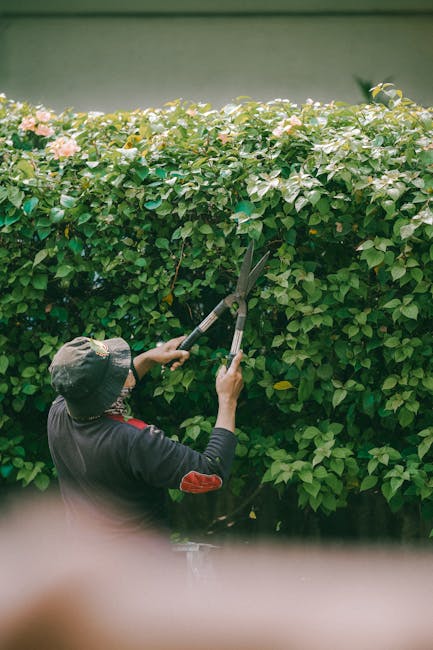
Hedges and boundary shrubs often define the structure of a garden, so trimming them well can make the whole space feel more ordered. Our hedge trimming work is suited to routine shaping, height reduction where appropriate, and the removal of wayward growth that starts to spill into paths, drives or planted areas. We can work with simple garden hedges as well as more detailed boundary planting that needs a lighter hand and a more careful finish.
Different hedges call for different treatment. Some respond best to a straightforward clip that keeps sides even and the top level, while others need selective trimming to preserve density and avoid bare patches. Where shrubs are part of the border design, the finish should respect the natural form as well as the overall line. This is especially important if the hedge also affects light, privacy or access, because the work needs to be neat without becoming overly severe.
We can also help if hedge growth has become part of a wider maintenance backlog. In those cases, it can be sensible to combine trimming with clearing away cuttings and checking nearby beds for damage or hidden debris. If you have more than one area that needs attention, our service can be organised around the sections that are most visible first, then extended to the rest of the garden. A services overview can help you compare the available types of outdoor work before you decide what to include.
Garden clearance and seasonal tidy-ups
Garden clearance is often the right choice when outdoor spaces have collected more material than routine maintenance can handle comfortably. That may include leaves, cut branches, spent plants, weeds, old cuttings or general garden debris that has built up over time. The work can be as focused or as broad as needed, from clearing a single overgrown corner to restoring a more manageable baseline across the whole area.
Clearance work is usually most useful when it is practical and orderly. Rather than simply removing visible waste, it often makes sense to separate what needs cutting back, what can be gathered up, and what should be taken away for disposal or recycling. If a garden has become crowded with dormant growth or seasonal fall-out, a proper clear-out can reveal the underlying structure again and make later maintenance much easier. It can also be combined with hedge trimming or lawn work so that the whole space is addressed in one visit.
When you are preparing to request a quote, it helps to note whether the garden contains heavy material, awkward access points or sections that are particularly dense. That does not need to be a long description. A few practical details are usually enough to help shape the job. If you are ready to move forward, a brief enquiry is fine; if not, keep a note of the areas that matter most and ask for advice later.
Border care, pruning and plant control
Many gardens need more than mowing and hedge cuts. Borders can become untidy when perennials, shrubs and self-seeded plants begin to compete for space, and careful maintenance can help restore balance without stripping out useful planting. This kind of work is about selective control: reducing excess growth, tidying spent stems, and keeping the planted areas readable rather than letting them merge into one mass.
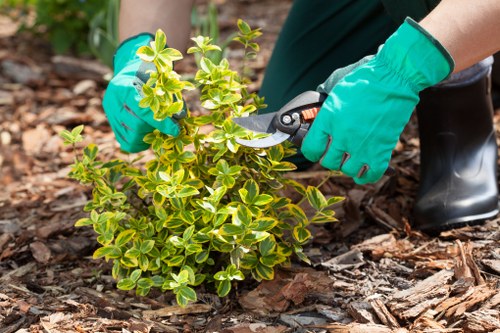
Where appropriate, we can carry out light pruning or reduction work to help shape plants and prevent them from crowding paths, windows or neighbouring features. The aim is not to force every planting scheme into the same pattern, but to keep growth in proportion to the space it occupies. Some gardens need only a light seasonal tidy, while others need more direct cutting back to improve access and visibility. In either case, a careful approach avoids unnecessary stress on plants and helps preserve the parts of the garden you want to keep.
Our maintenance approach is suited to gardens that need ongoing attention rather than occasional rescue work alone. If a border has become messy after a wet season, or shrubs have started to lose their shape, it may be useful to combine the tidy-up with waste removal and a review of the rest of the garden. That is often the most efficient way to make the space feel manageable again without overcomplicating the job.
What affects the scope of a quotation

Garden maintenance quotations are usually shaped by the amount of work involved, how long the area will take to complete, and the condition of the garden at the time of the visit. Size matters, but so does density of growth, the number of separate areas to be handled, access, and whether waste needs collecting and removing as part of the job. A simple lawn cut is very different from a full seasonal tidy with hedge work and clearance.
Other factors can include the presence of difficult edges, steps, uneven ground or sections that require more careful handling. If you are asking for maintenance across several features, it is helpful to group the tasks logically so the quotation reflects the actual work rather than a rough guess. Clear scope also helps avoid unnecessary duplication, because some gardens need one focused visit while others benefit from a broader tidy-up. Where relevant, we can discuss whether a one-off service or a recurring schedule is the better fit.
Before you send a request, it is usually enough to outline the main jobs in plain language: mow the lawn, trim the hedge, clear the back section, tidy the borders. If there are particular constraints, mention those too. For a more structured starting point, you can use the pricing and quotes page and then decide whether to continue with a tailored enquiry.
Keeping gardens manageable through the seasons
Seasonal change affects how gardens look and how much work they need. In spring, growth can move quickly and make once-neat areas feel crowded. In summer, regular mowing and trimming may be enough to keep everything balanced. Autumn often brings leaves and soft growth that need gathering before they spread across paths and beds, while winter maintenance can focus on safety, access and the removal of damaged or untidy material. The right mix of tasks depends on what is growing and how the space is used.
Because each season brings different pressures, a maintenance plan can be more effective than waiting until everything needs attention at once. Some customers prefer a lighter routine that keeps on top of visible growth, while others ask for periodic visits that include heavier cutting back and clearance. Either way, the work should respond to the garden as it actually is, not as it was in a previous month. This is especially useful where the space contains mixed planting, a lawn, boundary hedges and more than one distinct section.
For gardens that need wider upkeep beyond one isolated task, our broader garden maintenance service can bring together mowing, trimming and clearance in a coordinated way. That gives you a single place to think about the regular work the outdoor area needs, rather than dealing with each element separately.
About Edmonton
Edmonton is an area in the London Borough of Enfield, in north London, with a long history shaped by settlement, transport, industry and suburban growth. Historically part of Middlesex, it appears in records from the medieval period and developed around the former village green and the old road network that linked London with the north. Over time, it shifted from a more rural community into a densely built part of the capital, especially during the expansion of housing and transport in the nineteenth and twentieth centuries. The area still carries traces of that earlier geography in its street patterns and local landmarks. Pymmes Park is one of the best-known open spaces nearby, with a lake, mature trees and areas for walking, while the Lee Valley corridor lies to the east and provides a very different landscape of waterways, parks and open land. The New River also runs through the wider district, reflecting the long engineering history of water supply in north London. Edmonton contains a mixture of residential streets, local centres, religious buildings and community facilities, and its built environment ranges from older terraces to later housing estates and post-war redevelopment. Landmark buildings include All Saints’ Church, associated with the old settlement, and the area has literary connections as well, appearing in the work of writers such as Charles Lamb and in the cultural memory of London more generally. Like many inner-suburban districts, it has evolved through successive layers of change rather than a single defining period. Today, Edmonton remains a varied part of the capital with strong local character, shaped by its road corridors, rail links and the everyday life of a busy urban community.
Ongoing maintenance for different garden layouts
Not every garden needs the same routine, and the layout often determines how maintenance is best carried out. A small front garden with a simple lawn and hedge can be handled differently from a larger back garden with borders, sheds, paths and mixed planting. The work may also vary depending on whether the garden is open and easy to move around, or more enclosed with narrow access and several separate sections. Matching the method to the layout helps keep the result neat and practical.
Where gardens contain a mix of surfaces and planting, it can make sense to plan the order carefully. Cutting, trimming and clearance can be arranged so that the messiest jobs are completed before finer detailing. That avoids reworking areas twice and can help preserve a cleaner finish around borders and paths. It also means that if part of the garden needs a lighter touch, it can be left undisturbed while the more overgrown sections are dealt with properly.
Some gardens benefit from regular attention; others only need help when growth starts to outpace the time available for upkeep. Either way, the service is more useful when it is shaped around the property rather than forced into a rigid pattern. If you are comparing options, the garden clearance page is useful when the main need is to remove built-up waste and overgrowth rather than carry out routine upkeep alone.
Preparing a clear enquiry
A good quotation request does not need to be complicated. A short description of the areas involved, the main jobs required and any obvious access issues is usually enough to start the conversation. If you have a lawn, hedge, borders and a section that needs clearing, listing them separately can make the scope easier to understand. It is also helpful to mention whether the work is one-off or whether you are looking for ongoing maintenance through the year.
Photographs can be useful when they show the garden as it is now, especially if growth has changed quickly or if there are several parts to the space. If you already know what matters most, make that clear first: for example, whether the priority is tidiness, access, shape, or reducing the amount of overgrowth. That kind of practical note helps us focus the quotation on the work that will genuinely improve the garden rather than on details that are less important.
If you would like to move ahead, use the contact page or ask for a written quotation once you are ready. You can also read more about our contact options and choose the simplest route for your enquiry.
Bringing the main outdoor tasks together

Garden maintenance works best when it is treated as a joined-up service rather than a set of unrelated chores. A tidy lawn looks better when the edges are sharp, a hedge looks better when the surrounding area is clear, and a cleared border is easier to maintain when the rest of the garden is not neglected. That is why many customers prefer to combine tasks into a single visit, especially when several areas have started to need attention at the same time.
Our service can therefore cover the practical combination of mowing, trimming and clearance that keeps a garden under control. Where the layout is more complex, the work can be split into phases so the most visible or urgent sections are handled first. This can be a sensible way to keep the job manageable without losing sight of the overall finish. For larger or more varied spaces, the broader landscape gardening page may also be useful if you are thinking beyond basic maintenance and want to review other outdoor work as well.
To request a quotation, simply outline the garden size, the work you want completed and any priority areas. If you have already compared the available pages, the about us page can give a little more background before you decide what to ask for next. Otherwise, send your enquiry and we will help shape the right maintenance plan for your outdoor space in Edmonton.