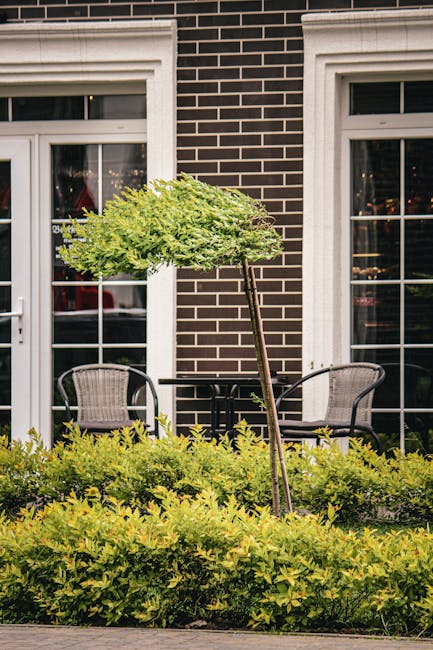
Top gardeners for Fore Street shops and cafe patios in Edmonton
If you run a shop or cafe near Fore Street, you already know the outdoor space works harder than people think. A tidy planter, a swept patio, or a neatly clipped hedge can change the whole feel of a frontage before a customer even opens the door. That is the real value behind Top gardeners for Fore Street shops and cafe patios in Edmonton: keeping a small commercial garden looking sharp, welcoming, and easy to manage, day after day.
And let's be honest, outdoor areas for busy businesses are rarely "just gardens". They are entrances, waiting spots, display frames, smoking areas, lunch breaks, and first impressions all at once. In this guide, you will find a practical breakdown of what good commercial gardening looks like, how to choose the right support, what to avoid, and which services tend to matter most for Fore Street premises.
If you want a broader overview of what a professional team can handle, it can help to start with the services overview. But if you are deciding what your shop front or cafe patio actually needs, this article should give you a clear way forward.
Table of Contents
- Why this matters for Fore Street businesses
- How the service works in practice
- Key benefits and practical advantages
- Who this is for and when it makes sense
- Step-by-step guidance
- Expert tips for better results
- Common mistakes to avoid
- Tools, resources and recommendations
- Law, compliance, standards and best practice
- Options and method comparison
- Real-world example
- Practical checklist
- Conclusion
- Frequently asked questions
Why Top gardeners for Fore Street shops and cafe patios in Edmonton Matters
Fore Street is the sort of place where outdoor presentation matters more than many owners first expect. People notice whether the entrance feels cared for, whether the patio is clean, whether the borders look alive rather than tired. A cafe with a pleasant patio invites people to sit a little longer. A shop with a neat frontage feels more trustworthy. Small things, really, but small things stack up fast.
For businesses in Edmonton, professional garden maintenance also helps deal with the practical side of street-facing spaces. Leaves blow in. Weeds appear from nowhere, as they do. Pots dry out in warm weather and look droopy by lunchtime. In a commercial setting, those little issues can make a place feel neglected within days. A reliable gardener is not just there to "make it pretty"; they help keep standards steady.
That is especially important for hospitality. A cafe patio needs to look inviting from the morning coffee rush through to the late-afternoon lull. If seating surrounds tired planting or patchy grass, the space loses its pull. Truth be told, customers often decide whether a place feels good within seconds.
There is also a brand angle. A tidy outdoor space says you care about details. It can support your signage, your menu boards, your seasonal displays, even your social media photos. One clean patio on a bright spring morning can do a surprising amount of marketing work without saying a word.
How Top gardeners for Fore Street shops and cafe patios in Edmonton Works
Good commercial gardening usually starts with a site visit or a detailed conversation. A gardener looks at the layout, access points, planting style, and the level of upkeep the space needs. A compact cafe terrace with containers will need a different rhythm from a shop frontage with hedging and paved edges. Sounds obvious, but it is often where rushed quotes go wrong.
From there, the work is usually broken into repeatable tasks. For example:
- weekly or fortnightly tidying for high-traffic entrances
- lawn mowing where small green areas are part of the frontage
- hedge trimming to keep sightlines open and boundaries neat
- seasonal planting or refreshes for pots and beds
- garden clearance when things have got away from you a bit
- occasional landscaping improvements for layout or durability
Some businesses only need maintenance. Others need a bit of reshaping first. If the space has become overgrown, a clean-up visit may come before any ongoing care. In that case, garden clearance can be the sensible first step, especially before a busy season or reopening after a long gap.
In practical terms, the best gardeners work around your trading hours. For a cafe, that may mean quiet early-morning work before customers arrive. For a shop, it may mean a midweek slot when footfall is lower. That scheduling detail matters more than people think. Nobody wants hedge trimmers buzzing during peak tea-and-cake time.
Key Benefits and Practical Advantages
The obvious benefit is presentation. A less obvious one is operational calm. When a space is maintained properly, you spend less time worrying about it. You are not texting someone about a dying planter every other week. You are not sending staff out with a broom and a vague sense of hope. That alone is worth something.
Here are the main advantages businesses tend to notice:
- Better first impressions - neat outdoor areas help customers feel comfortable before they step inside.
- Safer access - clear paths, trimmed edges, and tidy surfaces reduce trip hazards and clutter.
- More usable seating areas - cafes gain more value from patios that feel clean and cared for.
- Lower long-term repair work - regular upkeep helps stop small issues becoming bigger ones.
- Stronger seasonal appeal - planting and tidy borders help a business feel fresh in spring and summer, and still respectable in winter.
- Less pressure on staff - your team can focus on customers rather than outdoor chores.
There is also a quiet commercial benefit: consistency. A place that looks maintained every week feels dependable. That sounds simple, maybe even a bit boring, but customers do notice it. Especially on Fore Street, where foot traffic can be quick and judgement happens fast.
For businesses that want outdoor improvements alongside upkeep, it may be useful to look at landscape gardening or broader landscaping support if the existing layout is not working well.
Who This Is For and When It Makes Sense
This kind of service is a good fit for independent shops, cafes, bakeries, takeaway spots with seating, salons with frontage planting, and small hospitality premises that want to look polished without building a full in-house maintenance routine. It also suits landlords or business owners who manage several units and need the outside areas kept to a common standard.
It makes sense when any of the following start happening:
- the patio looks fine one week and neglected the next
- staff are spending too much time on outdoor tidying
- customers comment on weeds, litter, or tired planting
- the space has seasonal plants that are not being maintained properly
- you need a regular service before opening hours or after closing
- the frontage has become overgrown or awkward to manage
If your business only has a couple of pots and a swept entrance, you may not need a big package. To be fair, sometimes a light-touch routine is enough. But once a patio starts playing a visible role in the customer experience, proper maintenance becomes more of a business asset than a nice extra.
This is also where honest judgement matters. A good gardener should not try to oversell. If you only need mowing and plant care, that should be enough. If the area needs trimming, drainage attention, or a more durable layout, that should be discussed clearly. No drama, just straight talk.
Step-by-Step Guidance
If you are trying to organise the right support for a shop or cafe patio, here is a sensible way to go about it.
- Walk the space yourself. Notice the problem points at different times of day. Morning shade, lunchtime footfall, windy corners, muddy edges - all of that matters.
- List the visible priorities. Decide what must look good daily and what can be tackled weekly or monthly.
- Separate maintenance from improvement work. Regular care is not the same as a redesign. If the area is cluttered or overgrown, it may need a one-off reset first.
- Think about access and timing. Can work happen before opening? Is there rear access? Are there noise limits because of nearby flats or neighbours?
- Request a quote based on real usage. A patio used by customers every day needs different upkeep from a decorative frontage that is seen but not used.
- Ask what is included. Litter pick, pruning, watering, hedge cutting, mowing, seasonal planting, waste removal - these should be clear.
- Set a review point. After a few visits, check whether the service level matches the pace of the business.
If you are comparing options, look at the service mix carefully. Some businesses only need garden maintenance for routine upkeep. Others will benefit from lawn mowing and hedge trimming as part of a broader plan. The right mix depends on what is actually there, not what sounds impressive on paper.
And if a tree is causing shade, litter, or access issues, then you may need more specialist attention too. Some sites simply cannot function well until the canopy is properly managed. That is where tree lopping and removal can become relevant, though it should always be handled carefully and only when it is genuinely needed.
Expert Tips for Better Results
In our experience, the best-looking commercial patios are not necessarily the most expensive. They are the ones with a clear routine and a few smart choices made early on. A small amount of discipline goes a long way.
1. Choose plants that fit the site, not just the mood board. A cafe terrace in a windy, exposed spot needs tougher planting than a sheltered courtyard. If the plant choice is wrong, you end up replacing things far too often. Nobody enjoys that cycle.
2. Keep access paths simple. Customers should not weave around clutter, tubs, or half-hidden edges. Simplicity usually looks better anyway.
3. Don't let the patio become a storage zone. It happens quietly. A chair here, a spare planter there, then suddenly the outdoor area looks like it is waiting for a delivery that never comes.
4. Plan for the weather, not just the season. A July patio and a November patio are very different spaces. Wind, rain, and low light all affect how a frontage feels.
5. Ask for visual consistency. One-off tidies can help, but what really builds trust is the same standard every visit. That regularity is the real premium.
There is also a sustainability angle worth thinking about. If your gardener is removing waste, ask how green waste is handled and whether materials can be recycled where appropriate. A team that takes disposal seriously usually takes the rest of the job seriously too. If that matters to you, take a look at recycling and sustainability.
Common Mistakes to Avoid
Some commercial garden problems are surprisingly easy to prevent, yet they keep cropping up. The first mistake is waiting until the space looks bad enough to demand urgent action. By then, you often pay more, because the job is no longer simple maintenance. It has become recovery work.
The second mistake is assuming all gardening is the same. A domestic back garden and a Fore Street cafe patio are not the same environment. Commercial spaces have tighter timing, more visibility, more foot traffic, and usually more pressure to look good every day. Different game entirely.
Other mistakes to watch for:
- choosing purely on price and ignoring service consistency
- not being clear about opening hours or access arrangements
- leaving waste removal vague
- using plant varieties that are high-maintenance in a busy setting
- forgetting that paving edges, planters, and trims need regular attention
- making the patio too busy, which can make a small space feel cramped
A smaller mistake, but a common one, is overdoing the "nice" factor at the expense of practicality. A patio can look charming and still be awkward to use. If customers cannot move easily, or staff cannot clean around it, the charm fades quickly. Pretty is good. Usable is better.
Tools, Resources and Recommendations
Most business owners do not need to buy gardening equipment themselves, but it helps to understand what a professional team is likely to use. That makes discussions clearer, and it helps you judge whether the service is set up for commercial work rather than occasional tidy-ups.
Typical tools and materials may include:
- professional mowers for small or awkward lawn areas
- hedge trimmers for shaping and boundary work
- hand tools for precise pruning and planting
- pressure cleaning equipment where hard surfaces need a reset, used carefully
- appropriate waste sacks, collection tools, and disposal methods
- seasonal plants, mulch, and compost for refreshing beds and containers
For a business owner, the most useful "resource" is a simple site record. Keep notes on what was done, what needs attention next time, and any customer feedback about the space. It does not need to be fancy. A page in a notebook or a basic shared document is enough. Slightly old-school, yes, but it works.
If you want to understand the wider range of support available, about the team can give you a sense of how the business approaches work, while pricing and quotes is a sensible next stop when you are trying to budget properly.
Law, Compliance, Standards, or Best Practice
For shop fronts and cafe patios, compliance usually comes down to practical duty of care rather than anything complicated. The exact obligations depend on the premises, the layout, and the type of business, but good practice is fairly clear: keep outdoor areas safe, clear, and reasonably well maintained. That includes watching for slippery surfaces, unmanaged overgrowth, obstructed walkways, and anything that could cause a customer or staff member to stumble.
In UK business settings, it is sensible to work with a gardener who understands safety, public access, and insurance expectations. You do not need a lecture. You need someone who can work tidily, avoid unnecessary disruption, and handle the site responsibly. For that reason, it is worth checking insurance and safety information before you commit.
It is also wise to think about how waste is handled, especially after pruning, clearance, or larger tidy-up jobs. Responsible disposal is part of professional service, not an afterthought. If your business values ethical working practices, the company's modern slavery statement and related policies may also matter as part of supplier due diligence, particularly for larger or multi-site operators.
Accessibility is another practical consideration. A patio or frontage that looks attractive but is difficult to move through can create problems for customers and staff. If you want to understand how a site presents itself to different users, the accessibility statement offers a useful indication of how the business thinks about access and usability. That said, your own premises should always be assessed on its actual layout and day-to-day use.
Options, Methods, or Comparison Table
Not every Fore Street business needs the same kind of gardening support. Some only need routine care. Others need a reset first. The comparison below can help you think it through without overcomplicating things.
| Approach | Best for | Strengths | Watch-outs |
|---|---|---|---|
| Routine maintenance | Stable patios, planters, small frontages | Predictable, neat, easy to budget for | Won't solve deeper layout problems |
| Clearance plus maintenance | Spaces that have become overgrown or cluttered | Fast visual improvement, gives you a clean starting point | Needs a clear follow-up plan or it can slide again |
| Maintenance plus landscaping | Businesses wanting a better customer experience outdoors | Can improve flow, seating, and appearance | Needs a bit more planning and usually a bigger commitment |
| Maintenance plus specialist trimming | Sites with hedges, trees, or boundary growth | Keeps sightlines clear and the frontage tidy | May need seasonal timing and careful scheduling |
If your patio is already in decent shape, routine maintenance is usually enough. If the space feels awkward, cramped, or dated, a small landscaping improvement can make a much bigger difference than another round of patch repairs. You can always start modestly. That is often the smartest move.
Case Study or Real-World Example
Picture a small cafe on Fore Street with two outdoor tables, a row of planters, and a narrow path between the entrance and the seating area. It looked fine in spring, then summer heat arrived, weeds crept between paving gaps, the planters started to look uneven, and a couple of overhanging stems made the front feel cluttered. Nothing dramatic. Just enough to take the shine off.
The owner did not need a full redesign. What helped was a simple reset: clearing out tired planting, trimming back the edges, refreshing the containers, and setting a regular maintenance rhythm before weekend trade. The difference was immediate. The space felt lighter, cleaner, and more intentional. Customers were not walking into a "project" anymore. They were walking into a cafe that looked looked after.
That is the pattern with most small commercial outdoor spaces. You do not always need a huge intervention. Often, the fix is a good first clean-up, then steady care. Nice and boring. Boring in a good way.
Practical Checklist
Use this checklist before you choose a gardener for a shop frontage or cafe patio in Edmonton:
- Is the outdoor area for customers, staff, or both?
- Does the space need routine upkeep, a one-off reset, or both?
- Are there access or timing limits around opening hours?
- Do you need mowing, hedge trimming, planting, or clearance?
- Have you decided what should look good every week versus every month?
- Are waste removal and tidy finish included?
- Is the service comfortable working around public-facing areas?
- Do you know how the company handles safety and insurance?
- Have you looked at pricing and quote structure before agreeing?
- Will the maintenance plan stay realistic for your actual footfall and season?
One more thing: if you are unsure where to begin, start with the most visible problem. Usually that is enough to reveal the rest of the plan. A patio that feels chaotic will need order first, not perfection.
Conclusion
Top gardeners for Fore Street shops and cafe patios in Edmonton are not just about plants and pruning. They help businesses create a better first impression, keep outdoor areas usable, and reduce the daily stress of managing a public-facing space. When the work is done well, it almost disappears into the background, which is exactly the point.
The best results usually come from simple, steady habits: choosing the right service mix, keeping on top of small problems early, and working with a team that understands commercial timing and presentation. Whether you need light-touch maintenance or a bigger reset, the key is to make the space support your business rather than distract from it.
Get a free quote today and see how much you can save.
And if you are still weighing it all up, that is fine too. A well-kept patio is not a luxury for long; it becomes part of the way people experience your business. Small space, big effect. Funny how that works.
Frequently Asked Questions
What do gardeners for Fore Street shops and cafe patios usually handle?
They usually handle routine tidying, planting care, hedge trimming, lawn mowing where relevant, clearance, and making sure outdoor customer areas stay neat and presentable. The exact mix depends on the site.
How often should a cafe patio be maintained?
That depends on footfall, planting, and the weather, but busy cafes often need weekly or fortnightly attention. In peak seasons, a lighter midweek visit can help keep things from slipping.
Do shop front gardens need a different approach from home gardens?
Yes. Commercial spaces need cleaner presentation, safer access, and work scheduled around trading hours. A domestic-style approach is usually too casual for a public-facing frontage.
Can a gardener help if the area is overgrown and messy?
Absolutely. In many cases the first step is a clear-out rather than routine care. Once the space is reset, maintenance becomes much easier and more cost-effective.
What services matter most for a small cafe patio?
Usually the most useful services are regular maintenance, plant care, patio tidying, and seasonal refreshes. If there are hedges, trees, or awkward borders, trimming and specialist pruning may also matter.
How do I choose the right gardener for a business frontage?
Look for commercial awareness, clear communication, a realistic maintenance plan, and proper attention to safety and insurance. The cheapest quote is not always the best value, not even close.
Is landscaping worth considering for a small Fore Street patio?
It can be. If the layout feels cramped, awkward, or hard to maintain, small landscaping changes can improve flow and make the space easier to keep tidy. Sometimes one smart change does more than years of patching.
What should be included in a maintenance quote?
You would normally want to see the tasks included, frequency, waste removal, any seasonal work, access arrangements, and whether one-off clearance is separate. Clear scope avoids annoying surprises later.
Do I need to worry about safety and public access?
Yes, because customers and staff will use the area. Walkways, surfaces, planters, and edges should be kept tidy and clear. A professional gardener should understand that a public-facing space needs care, not just neatness.
Can gardeners work outside opening hours?
Often yes, depending on the site and the service schedule. Early morning or quieter trading periods are common for cafes and shops that want minimal disruption.
What if I only need seasonal help rather than year-round service?
That is common too. Some businesses only need extra support in spring and summer, or a one-off reset before busy periods. A good provider should be able to scale the work to suit the season.
Where should I start if I am not sure what I need?
Start with a simple walk-around of the space and note the visible problems: weeds, clutter, tired pots, overgrowth, or poor layout. Then speak to a team that can help match the service to the real condition of the site.